
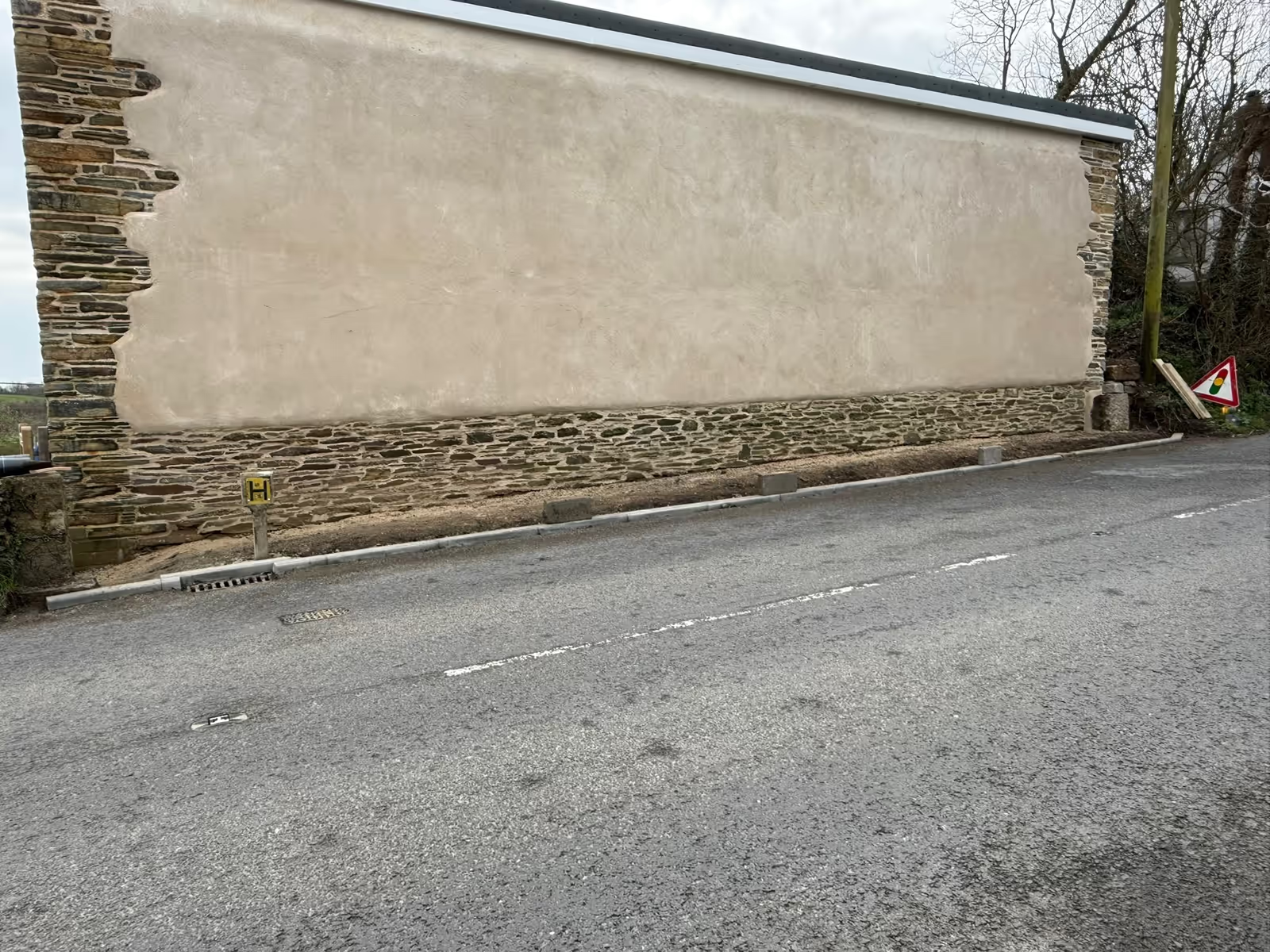
A heritage building restoration case study from the Roseland Peninsula: rebuilding the roadside cob wall of a 19th-century farm building — once the area's first post office — using cob blocks, lime mortar from Cornish Lime, and natural stone corners from Trebarwith Quarry.
Heritage building restoration on a 19th-century farm building on the Roseland Peninsula in Cornwall — once the area’s first post office. The original cob wall had failed beyond repair, and the owner was converting the building into a storage unit. The brief: take down the failing roadside elevation, rebuild it with traditional cob blocks and lime mortar, and finish the wall without damaging the historic fabric.
What is a cob wall, and why does it matter for heritage buildings?
Cob is one of the oldest building materials in Cornwall — a mixture of subsoil, straw, water and sometimes lime, built up in layers without formwork and trimmed back as it dries. Across Devon and Cornwall, thousands of farmhouses, cottages and outbuildings — many now listed buildings — still stand on cob walls several centuries old.
Cob only survives when it is looked after correctly. Two things destroy a cob wall.
- Water sitting in the wall. Cob is permeable. It needs a good hat and good boots — a sound roof above and a stone plinth below — to drain properly.
- The wrong mortar or render. Cement is rigid and impermeable. Used on a cob wall it traps moisture inside the cob, freezes, and rots the structure from within.
Every material on this heritage building restoration job had to match the original fabric. That is what conservation work depends on — getting the materials right, not just the look.
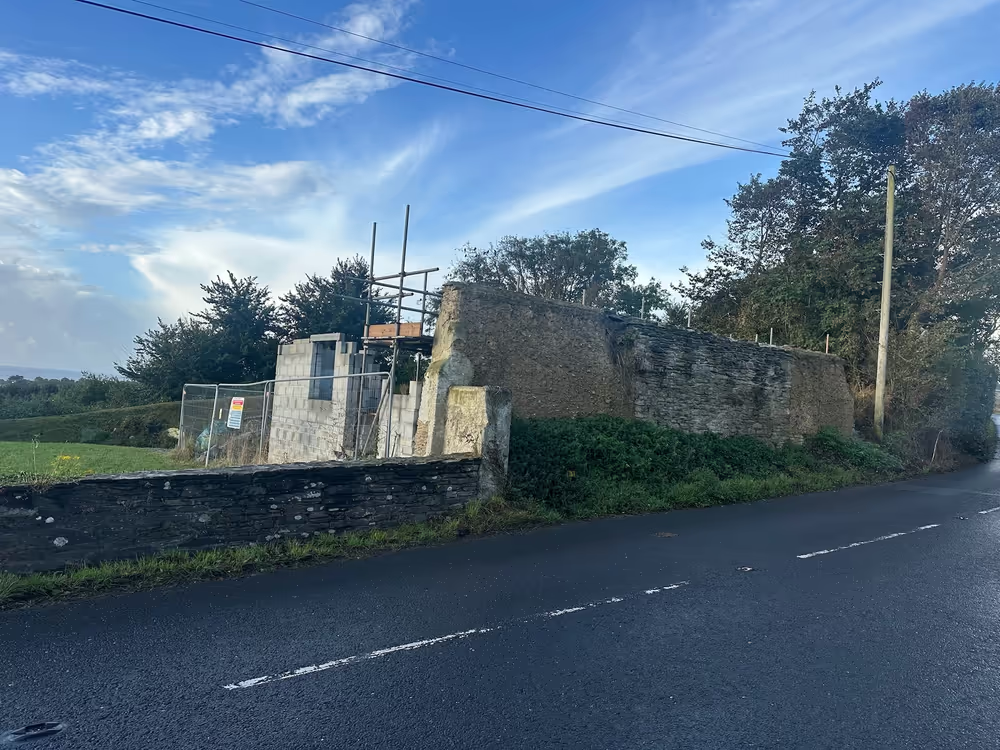
The brief: sympathetic restoration of a local landmark
The client asked us to rebuild the cob wall as the main roadside walling for the converted storage unit. The wall had to match the original elevation, sit comfortably alongside the building’s other heritage features, and carry load as a roadside boundary.
That meant traditional materials, traditional craftsmanship, and modern structural engineering working together — a sympathetic rebuild that respects the original fabric while making the wall strong enough to do its job for another century.
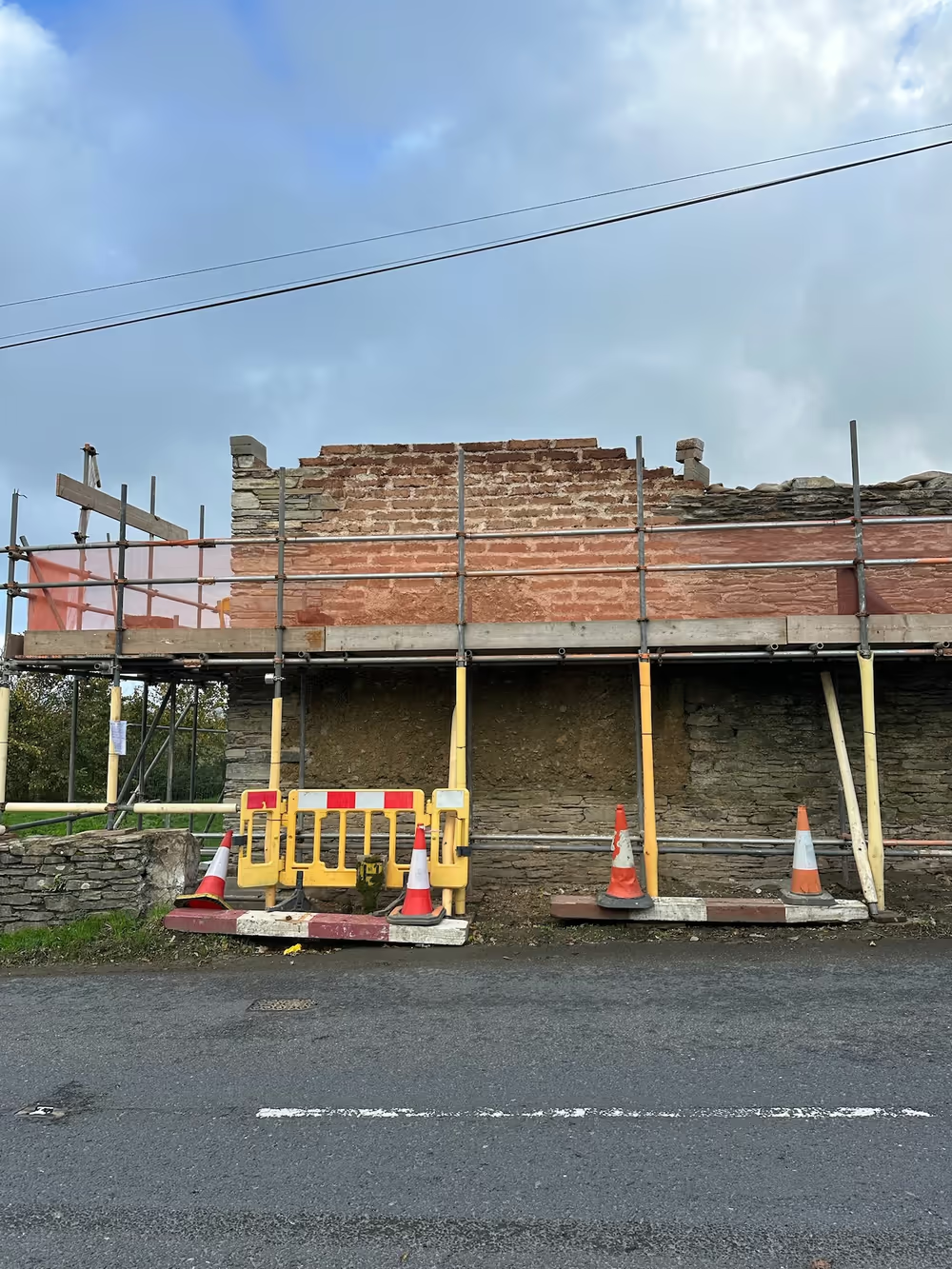
Materials: cob blocks, lime mortar, and Trebarwith natural stone
We sourced both key materials from established Cornish suppliers who specialise in traditional building methods.
- Cob blocks and lime mortar from Cornish Lime — traditional lime mortar specialists supplying pre-formed cob blocks set in natural lime mortar. These behave the same way the original cob does: breathable, flexible, slow to cure.
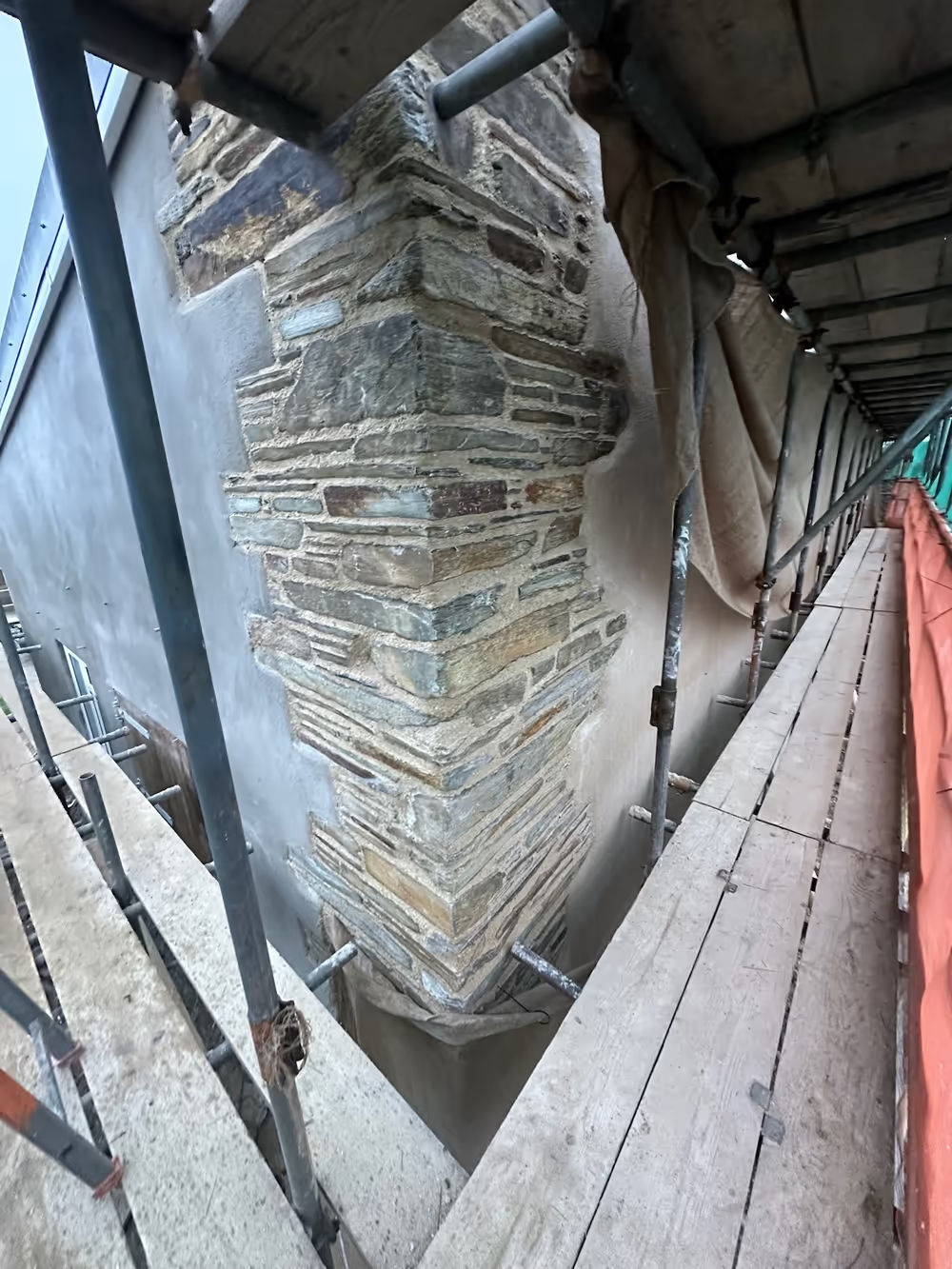
- Natural stone corners from Trebarwith Quarry — Cornish slate-stone for the main end corners of the wall, providing structural rigidity where the load concentrates and tying the rebuilt section visually to the rest of the historic building.
Cement-based products on a heritage cob substrate would have been the wrong call. Modern cement is rigid and impermeable; cob and lime are flexible and breathable. Mixing the two damages the original fabric. The Society for the Protection of Ancient Buildings has been making this point for over a century.
Method: integrating cob blocks with stonemasonry
The wall went up in courses, integrating cob blocks and natural stone as a single structural element. The natural stone formed the main end corners and bonded into the cob block coursing throughout — a standard piece of traditional stonemasonry that strengthened the original cob wall and gave the rebuilt section the structural integrity to function as roadside walling. It’s the same dry stone and granite craftsmanship behind our St Mawes landscaping project.
A structural engineer calculated the loads at the top of the wall, and the head of the wall was tied together to provide a stable bearing, hidden behind the lime render — modern engineering doing the structural job that lets traditional materials stay visible.
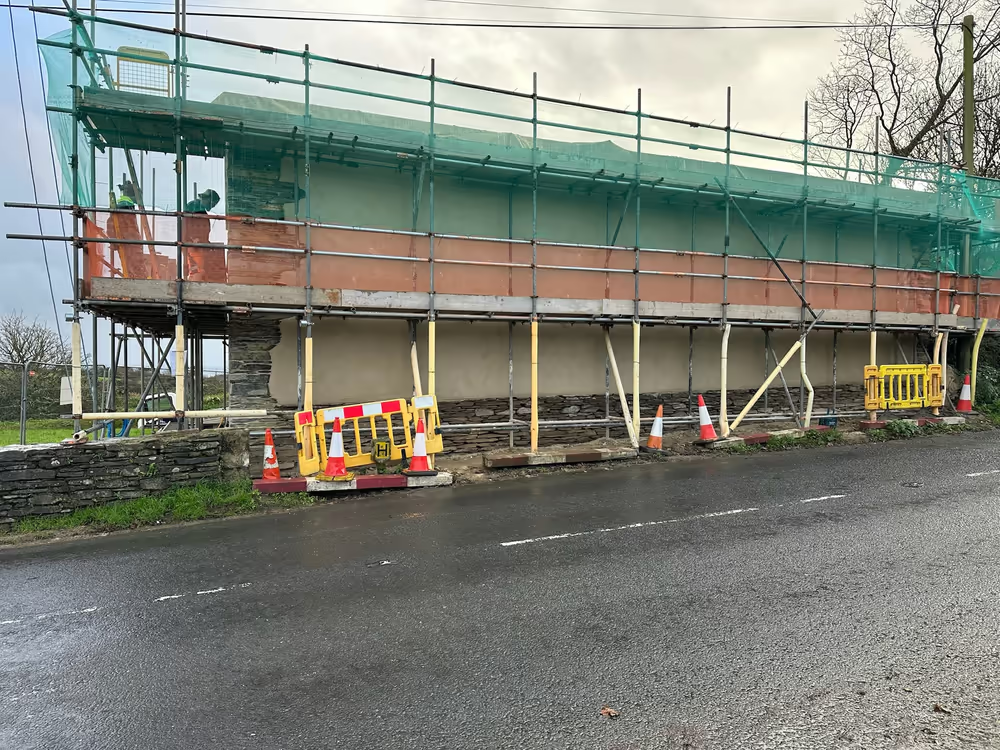
Conservation finish: the natural lime render system
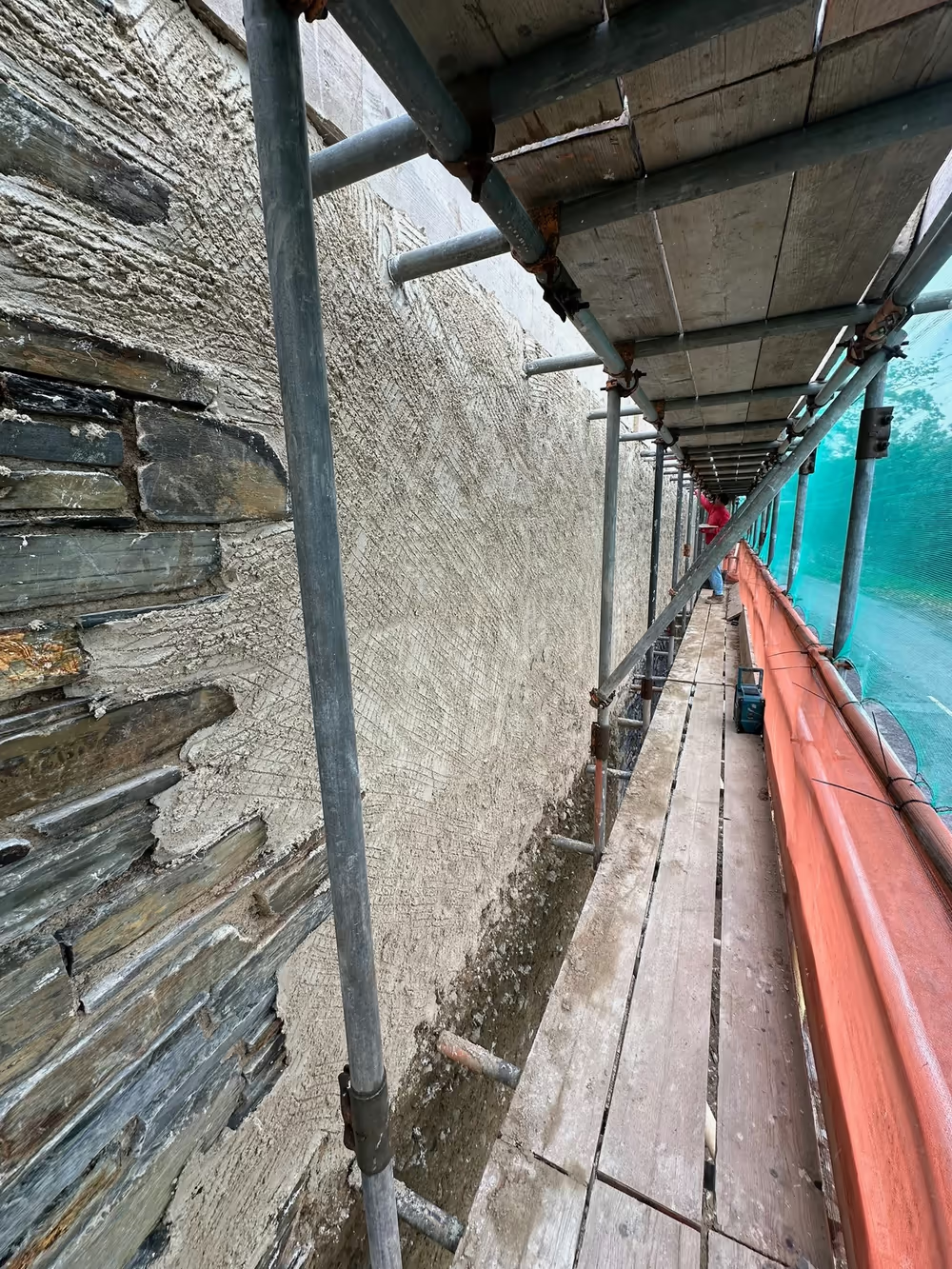
Once the wall was built, we applied a natural lime render system to both faces of the cob walling. Lime render breathes — it lets moisture move out of the cob rather than trapping it inside — and it is the only finish appropriate for a heritage substrate of this kind.
We applied the render in coats, scratched between layers for key, and protected it while it cured to slow the dry. Where the new render met older stonework, careful repointing in lime mortar kept the whole elevation visually consistent.
Why heritage building restoration done properly lasts a hundred years
A cob wall rebuilt in cement render and concrete block looks roughly the same on day one. Five years later, the walls behind the cement are damp, the cob is breaking down, and the whole repair has to be redone — often with damage to the surrounding original fabric. That is not conservation. That is decay disguised as repair.
A cob wall rebuilt in cob blocks and lime, with stone corners and a properly engineered tie at the top, will last a hundred years. It protects the original fabric instead of replacing it, keeps the building consistent with its heritage character, and gives the property the long-term value of a proper restoration rather than a quick repair.
That is what heritage building restoration should do — keep historic buildings standing, breathing, and useful for another generation, using the same materials and craftsmanship that built them in the first place. You can see other examples of this kind of work in our project portfolio, or read more about how we approach heritage work.
About the builder
Arron Bennett is a master of his craft, with over 20 years working on stone, cob and lime buildings across the Roseland Peninsula and wider Cornwall. Heritage work depends on the kind of trade-tested judgement you only get from spending decades on these buildings — knowing when a cob wall can be repaired and when it needs to come down, knowing how a lime mortar should feel under the trowel, knowing which stone bonds in cleanly and which fights the coursing. Every project on this site has been delivered hands-on, not subbed out.
Heritage building restoration: frequently asked questions
What does heritage building conservation mean?
Heritage building conservation means repairing and maintaining historic buildings using materials and methods compatible with the original fabric. The aim is to extend the life of the existing structure rather than replace it — keeping as much of the original cob, stone, lime, timber and detailing as possible, and using sympathetic materials (lime mortar, lime render, traditional stonemasonry, breathable finishes) for any repair. It is the opposite of a modern refurbishment, which usually strips out and replaces.
What is a listed building?
A listed building is a building of special architectural or historic interest, formally protected on the National Heritage List for England. There are three grades — Grade I (exceptional interest), Grade II* (particularly important), and Grade II (special interest). Most listed buildings in Cornwall sit in Grade II. Any change to a listed building, including most heritage restoration work, normally needs Listed Building Consent from the local planning authority before it can start.
What specialist treatments do you need in heritage building conservation projects?
Heritage building conservation projects almost always need specialist materials and techniques a general builder will not stock or use day-to-day. The core ones for a Cornish cob and stone building are: lime mortar (rather than cement) for any pointing or laying work; lime render or lime plaster for finishes; traditional stonemasonry methods including like-for-like repointing; and cob blocks or in-situ cob repair where original cob has failed.
Why does heritage building work need a master of the craft?
Heritage work punishes guesswork. The wrong material on a cob wall, or cement where lime should be, causes damage that takes years to show and even longer to undo. A builder who is genuinely a master of the craft has the trade-tested experience to make the right judgement calls on a heritage building — choosing compatible lime mortar mixes, integrating new stone with original fabric, knowing when to repair and when to rebuild. That depth of skill is what these buildings need; everything else is a gamble with the original fabric.
Need a heritage builder in Cornwall?
If you own a heritage building on the Roseland Peninsula or elsewhere in Cornwall that needs traditional repair, restoration, or conservation work — cob wall repair, lime render, traditional stonemasonry, or full heritage building restoration — get in touch. Arron has 20+ years working on Cornish stone, cob and lime buildings and would be glad to come and look at it.